
DIY Garage Door Repair Techniques for Quick Fixes: Step-by-Step Guides and Safety Tips
A malfunctioning garage door opener can halt daily routines and pose safety risks, but homeowners can perform efficient DIY garage door repair techniques to restore smooth operation and secure their property. This guide delivers immediate value by outlining troubleshooting for openers, safe spring and cable fixes, roller and track adjustments, proactive maintenance strategies, common problem resolutions, decision criteria for professional service, and essential tools and precautions. Readers will gain clear, actionable steps and learn when Today’s Garage Door Repair Service is the reliable partner for complex repairs in Florida and Minnesota.
How Can You Troubleshoot and Fix Common Garage Door Opener Issues?
Garage door opener troubleshooting involves diagnosing electronic and mechanical faults to restore reliable operation. By isolating power, remote, sensor, and motor issues, homeowners can apply targeted fixes that improve safety and convenience.
Garage Door Opener Troubleshooting
Troubleshooting garage door openers involves diagnosing issues related to power supply, remote controls, sensors, and the motor itself. Homeowners can perform targeted fixes to restore functionality and enhance safety. These steps include checking batteries, syncing remotes, aligning sensors, and resetting the opener to clear errors.
Consumer Reports, “Garage Door Openers: Troubleshooting Guide” (2023)
What Are the Steps to Fix a Garage Door Opener Remote?
Correcting a nonresponsive remote control requires verifying battery condition, syncing codes, and testing transmission range. First, replace the remote’s battery with a fresh 9-volt or AA cell, then press and hold the opener’s “Learn” button before pressing the remote to reprogram the rolling code. Successful pairing ensures the remote communicates with the motor unit, restoring wireless control and reducing reliance on manual operation.
How Do You Align Garage Door Safety Sensors for Proper Operation?
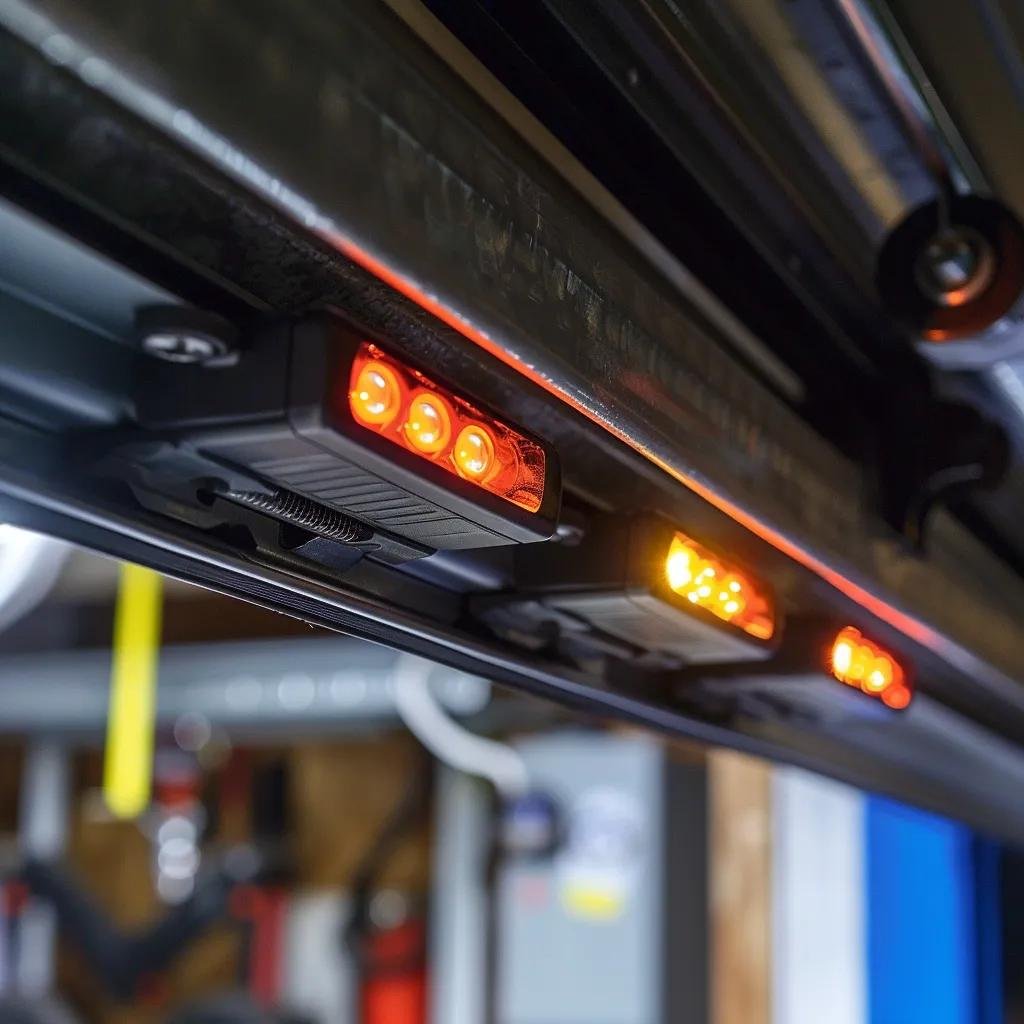
Garage door safety sensors prevent closures on obstructions by emitting infrared beams between sensors mounted near the track base. Begin by cleaning the lenses with a soft cloth, then adjust each sensor so LEDs on both units glow steady green. Loosen sensor brackets, align the beam path horizontally, tighten fasteners, and test closure. Proper alignment restores obstruction detection and prevents accidental damage or injury.
When and How Should You Reset Your Garage Door Opener?
Resetting an opener clears error codes and restores factory settings when diagnostic lights flash or functions stall. Power down the unit by unplugging it for at least 30 seconds, then plug it back in and press the “Reset” or “Learn” button until the status LED blinks. This procedure recalibrates force and limit settings, ensuring accurate travel distances and preventing false stops or reversals.
What Are Basic Garage Door Opener Motor Repair Techniques?
Repairing a garage door opener motor involves inspecting the gearbox, lubricating gears, and verifying electrical connections. After disconnecting power, remove the cover, apply white lithium grease to metal gears, and tighten any loose wiring terminals. Testing the motor under no-load conditions confirms restored torque and a quieter operation, improving longevity and user confidence. These preventive measures bridge electronics to mechanical reliability and lead into spring and cable maintenance.
What Are Safe DIY Methods for Repairing Garage Door Springs and Cables?
Safe spring and cable repair methods address high-tension components that balance the door’s weight. Homeowners must understand torsion and extension spring mechanics, use proper winding bars, and recognize when professional intervention is required to avoid injury.
Safety Precautions for Garage Door Repair
When dealing with garage door springs and cables, it’s crucial to understand the high-tension components and the potential risks involved. Homeowners should be aware of the dangers of torsion and extension springs and know when to seek professional help to avoid injury. Always disconnect power and secure the door before attempting any repairs.
National Safety Council, “Home Safety Manual” (2022)
How Do You Safely Repair Garage Door Springs Yourself?
Repairing torsion springs begins by disconnecting power and clamping the door to a closed position. Insert winding bars into the spring’s winding cone, loosen center bracket bolts, then unwind the spring in quarter-turn increments. Replace worn springs with the identical size and wind the new spring back, verifying equal tension on both sides. This process restores counterbalance function and prevents sudden door drops.
What Are the Steps to Repair Garage Door Cables at Home?
Replacing frayed cables involves releasing spring tension, detaching the cable from the drum, and routing a new cable through pulleys. After unwinding the spring slightly, unbolt the cable drum, thread the new galvanized cable over the drum grooves, tighten the drum set screws, and retension the spring. Correct cable tension ensures synchronized lifting and diminishes off-track risks.
When Should You Avoid DIY Spring and Cable Repairs and Call a Professional?
Attempting spring or cable repairs without tools, experience, or an assistant is hazardous. If springs exceed 20,000 cycles, cables show severe fraying, or proper winding bars and torsion spring drills are unavailable, schedule service with Today’s Garage Door Repair Service. Their licensed technicians deliver expert spring replacement and cable realignment across Florida and Minnesota, safeguarding property and people.
How Do You Replace and Maintain Garage Door Rollers and Tracks?
Rollers and tracks guide door panels smoothly; worn rollers or misaligned tracks can cause sticking, noise, and premature component wear. By replacing rollers and fine-tuning track alignment, homeowners optimize door performance and reduce strain on the opener motor.
What Is the Process for Replacing Garage Door Rollers?
Replacing rollers starts with disconnecting the opener and lifting the door into a propped position. Remove hinge bolts with a socket wrench, slide out old nylon or steel rollers, then insert new rollers into track slots and reattach hinges. Testing the door through a full cycle confirms reduced friction and quieter operation.
How Can You Adjust Misaligned Garage Door Tracks?
Track alignment corrects binding issues by vertical and horizontal realignment. First, loosen track mounting bolts, tap the track gently with a rubber mallet into proper position, then use a level to verify plumb alignment at every bracket. Tighten bolts and operate the door slowly to ensure free movement. Proper alignment protects rollers and panels from uneven wear.
What Tools Are Needed for Roller Replacement and Track Adjustment?
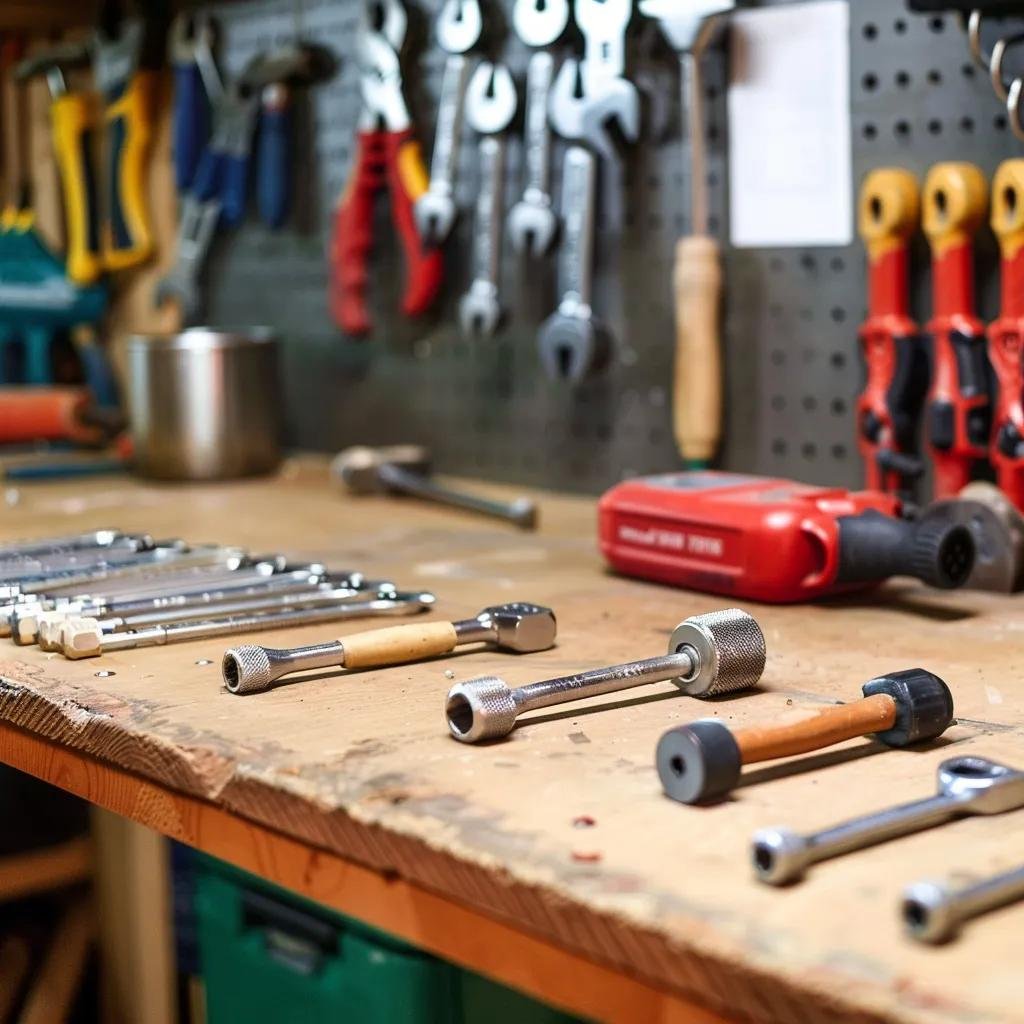
The following table lists the essential tools for efficient roller replacement and track realignment.
| Entity | Attribute | Value |
|---|---|---|
| Socket Wrench | Purpose | Remove and tighten hinge and track bolts |
| Rubber Mallet | Function | Adjust track position without causing damage |
| Spirit Level | Application | Verify plumb and level alignment |
| C-Clamp | Role | Clamp door panels during maintenance |
| Replacement Rollers | Specification | Nylon or steel rollers matching track diameter |
These tools streamline roller and track repairs, which naturally lead into general maintenance to prevent recurrence.
What Are Effective DIY Maintenance Tips to Keep Your Garage Door Running Smoothly?
Proactive maintenance enhances door longevity and prevents unexpected failures. Routine lubrication, noise troubleshooting, weather sealing, and emergency manual release ensure reliable daily performance and user safety.
How Do You Lubricate Garage Door Parts for Noise Reduction?
Lubrication reduces friction in moving parts, extending component life and improving quiet operation. Apply silicone-based or white lithium grease to rollers, hinges, springs, and track edges every six months. After spraying, cycle the door several times to distribute lubricant evenly. This maintenance step restores smooth motion and prevents grinding, which leads into noise-specific troubleshooting.
| Entity | Attribute | Value |
|---|---|---|
| Rollers | Lubricant | Silicone-based spray |
| Hinges | Product | White lithium grease |
| Torsion Springs | Frequency | Every six months or after 5,000 cycles |
| Track Edges | Application | Light coat along inner flange |
| Lock Mechanism | Purpose | Prevent corrosion for reliable release |
Proper lubrication transforms noisy operation into a silent glide and primes the door for weather sealing.
How Can You Fix a Noisy Garage Door Quickly?
A noisy garage door often signals lubrication deficits or worn rollers. First, tighten loose hardware, then apply lubricant to all moving parts and replace any rollers showing flat spots or corrosion. Completing these actions typically resolves screeching or grinding sounds and points toward weather stripping maintenance for the next step.
When and How Should You Replace Garage Door Weather Stripping?
Weather stripping seals gaps at the bottom of the door to prevent drafts and debris entry. Peel off old vinyl or rubber strips, clean the threshold surface, then align and press the new stripping into the track. This seal improves energy efficiency and complements emergency manual operation preparations.
How Do You Manually Open a Garage Door in an Emergency?
Manual release enables door operation during power loss. Pull down the red emergency release cord to disengage the trolley from the carriage, then lift or lower the door by hand. Ensure the release mechanism resets by cycling the door after power restoration. Mastering this procedure secures access in any situation and illuminates underlying mechanical integrity.
What Are Common Garage Door Problems and How Can You Troubleshoot Them?
Troubleshooting common operational issues empowers homeowners to diagnose and correct faults before scheduling professional service. Identifying symptom-cause relationships streamlines repairs and enhances safety.
Why Won’t My Garage Door Open or Close Fully?
Incomplete travel often results from obstructed sensors, incorrect limit switch settings, or broken cables. First, inspect and realign sensors, then adjust the up/down limit screws on the opener’s motor housing. If movement remains restricted, examine cables for fraying and call a technician if damage is present. Resolving full-cycle issues restores travel accuracy and prevents half-open security lapses.
How Do You Fix a Garage Door That’s Off Track?
A door off track can jam and stress opener components. To correct this, manually lift the door until rollers clear the track, realign tracks by loosening brackets, and reseat each roller. After tightening brackets, cycle the door slowly to confirm alignment. Proper track seating reestablishes smooth guidance and avoids spring overloading.
What Are Signs of Worn Rollers and How Do You Address Them?
Worn rollers exhibit flat spots, corrosion, or plastic degradation, causing vibration and noise. Inspect each roller every six months; replace those with surface wear, ensuring new rollers match diameter and material. Addressing roller wear safeguards panels and reduces strain on the opener motor.
How Do You Troubleshoot Garage Door Sensor Alignment Issues?
Sensor misalignment prevents door closure or triggers intermittent stops. Verify that both sensor LEDs glow green; if one blinks or dims, clean the lens and realign brackets. Tighten mounting hardware and test operations. Correct sensor alignment restores safe reversal functionality and completes opener troubleshooting.
When Should You Call a Professional for Garage Door Repairs?
Recognizing limits of DIY ensures safety and preserves equipment integrity. Professional intervention is recommended when complex repairs carry high risk or require specialized equipment.
What Are the Risks of DIY Garage Door Spring and Cable Repairs?
DIY spring and cable adjustments involve high-tension forces that can cause severe injury or property damage if springs unwind unexpectedly or cables snap under load. Without proper winding bars and training, homeowners risk uncontrolled spring release and misaligned cables, which underscores the need for expert service.
How Does Professional Garage Door Repair Save Time and Ensure Safety?
Licensed technicians use calibrated tools, manufacturer-specified parts, and industry protocols to complete repairs swiftly and accurately. Their comprehensive diagnostic processes eliminate guesswork, reducing repeat visits and downtime. This professional approach enhances system reliability and offers warranty-backed workmanship, providing peace of mind.
Which Repairs Are Best Left to Experts in Florida and Minnesota?
Tasks involving torsion spring replacement, cable realignment under tension, circuit board diagnostics, and major panel realignments are best handled by professionals. In Florida’s coastal humidity and Minnesota’s freeze-thaw cycles, Today’s Garage Door Repair Service delivers local expertise, adapting repairs to environmental stresses for lasting results.
What Tools and Safety Precautions Are Essential for DIY Garage Door Repairs?
Equipping oneself with the right tools and following strict safety protocols is fundamental to any repair project. Proper preparation minimizes accidents and maximizes repair quality.
What Basic Tools Do You Need for Garage Door Repair Techniques?
Successful DIY repairs rely on a core toolkit assembled before work begins.
- A set of wrenches and socket drivers to loosen and tighten bolts.
- Screwdrivers (flat-head and Phillips) for panel and sensor adjustments.
- Winding bars for torsion spring work, dimensioned to match spring cones.
- C-clamps to clamp closed the bottom of the door during spring or cable changes.
- Silicone-based lubricant and white lithium grease to reduce friction.
Having these tools on hand streamlines repairs and reduces risk during each procedure.
What Safety Measures Should You Follow When Repairing Garage Doors?
Safety protocols prevent mishaps and maintain control over high-tension components. Always disconnect power to the opener, secure the door in the closed position with C-clamps, wear safety glasses and gloves, and never stand directly under a suspended door. Observing these measures guards against mechanical release and electrical hazards.
How Can You Identify When a Repair Is Too Dangerous to Attempt Yourself?
If repairs require lifting heavy panels alone, handling intact torsion springs without a partner, or using specialized electrical testing equipment, professional service is the safest choice. When uncertainty arises, contact Today’s Garage Door Repair Service for a swift inspection and expert resolution in Florida and Minnesota.
Garage doors restored through safe DIY methods offer reliability and peace of mind, while professional partnerships ensure complex repairs meet the highest standards.
Maintaining roller lubrication, track alignment, and sensor calibration prolongs component life and prevents unexpected failures. By combining these techniques with Today’s Garage Door Repair Service support, homeowners secure efficient, safe, and enduring door operation.